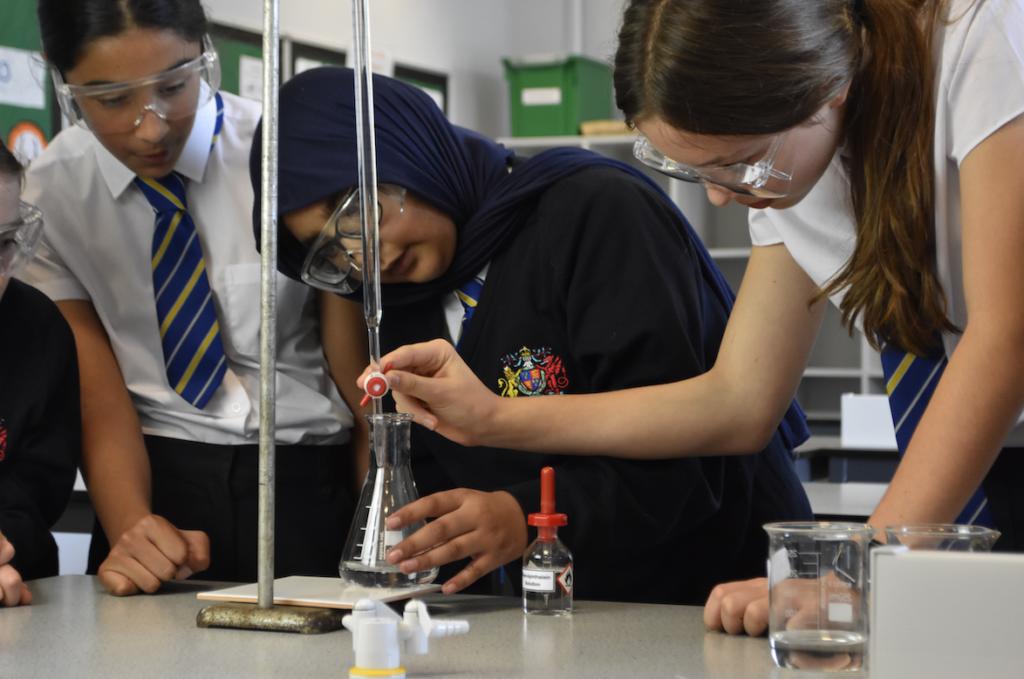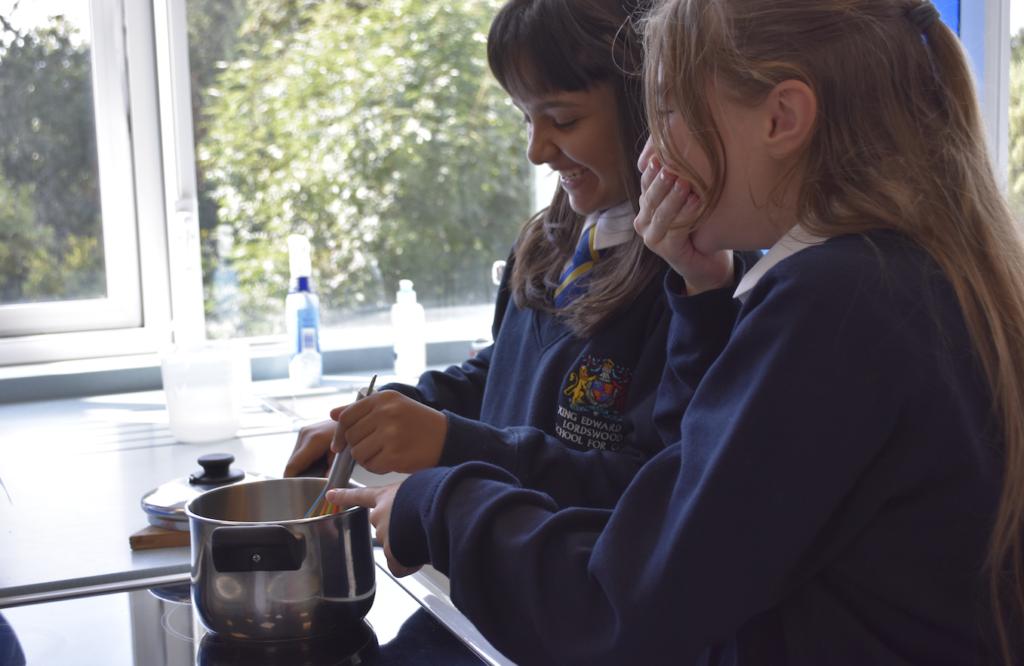
The design and technology curriculum builds upon the key stage 2 curriculum and has the design process at its heart. Students will follow the design process to realise a final outcome(s). Each academic year will have an overarching theme that is not only flexible enough to allow students to have a choice as to what final product to make but also gives a purpose. Students will learn core knowledge both theoretical and practical for each project and be encouraged to exploit those skills learnt in order to push the limits of their own creativity. This will result in a range of product outcomes as each student as an individual explores materials, techniques and processes but also their needs and wants and also the needs and wants of the consumer/client. The knowledge taught over the key stage will increase in difficulty, allowing progression through revisiting and developing that knowledge from one topic/year to the next and encouraging more independence as the students own knowledge and confidence increases.
Year 7
Autumn Term
Introduction to the Dudley Zoo and Castle project.
Students will consider what is design & technology?
They will be introduced to the Dudley Zoo and Castle theme and what tasks they will be completing this year. Tasks for this term are designing and making a wooden and a textile gift for the gift shop at Dudley Zoo. This will involve research, and designing products that will meet the needs of the brief.
Spring Term
Continuation of the Dudley Zoo and Castle project.
Students will start to make their final design ideas by using skills such as hand sewing, machine sewing, computer aided design – 2D Design V3, computer aided manufacture – laser cutter. Once made students will be able to evaluate the success of their products.
Towards the end of the term students will be introduced to the food element of the theme.
Summer Term
Continuation of the Dudley Zoo and Castle project.
Students will prepare and cook a range of dishes that allows them to cover a range of cooking skills and explore a range of food flavours. Each dish will be suitable to either eat in the restaurant at Dudley Zoo or be eaten as part of a picnic whilst at Dudley Zoo. Towards the end of the year students will work together as a team to build a model animal viewing platform. The task will focus on the topic of structures.
Year 8
Autumn Term
Introduction to the ‘It’s all about time!’ project.
Students will consider why design & technology is an important subject to study?
They will be introduced to the ‘It’s all about time!’ theme and what tasks they will be completing this year. Tasks for this term are designing and making a plastic wearable accessory inspired by a design movement. This will involve research, and designing products that will meet the needs of the brief as well as evaluating the success of their product.
Spring Term
Continuation of the ‘It’s all about time!’ project.
Students will prepare and cook a range of dishes that allows them to develop their cooking skills and consider the benefits of batch cooking and being a ‘savvy chef!’
Summer Term
Continuation of the ‘It’s all about time!’ project.
Students will be developing their textiles knowledge by making a product that helps to organise their time.
Year 9
Autumn Term
Introduction to the ‘At your leisure!’ project.
Students will be introduced to the ‘At your leisure!’ theme and what tasks they will be completing this year. Tasks for this term will be based around foods that lots of people eat in their leisure time. For example brownies and sweet and sour chicken.
Spring Term
Continuation of the ‘At your leisure!’ project.
Students will be developing their knowledge and confidence in textiles by making a skirt for either themselves or someone of their choice.
Summer Term
Continuation of the ‘At your leisure!’ project.
Students will be developing their knowledge and skills in resistant materials by working as a team to design and make a game.
Assessment at Key stage 3
KS3 students are assessed at key points within the design process. These will be research, design ideas, making and evaluating. Students will also take part in any assessment week tests as scheduled on the school calendar.
How can parents help support their child’s learning?
Discussions at home around products. Key questions can be who is the product designed for? What materials is it made out of? How would you improve it? If in London you could visit the design museum. Your daughter should be encouraged to take part in any food preparation and cooking that occurs in the home. This will help her to become a more confident and independent cook which will in turn help her in lessons and support her progression through the key stage.
Enrichment opportunities
Students will be able to attend DT club which runs on Monday and Tuesday lunchtimes.